Antique Singer Sewing Machine Manual: A Comprehensive Guide
Welcome! This guide offers invaluable resources for owners of vintage Singer machines. Discover free PDF manuals, troubleshooting tips, and parts availability information.
Explore instruction manuals for various models, including the 1100/1120 and industrial options like the 351G. Learn about historical significance and dating your machine!
Access guides for seamless operation and maintenance, ensuring your heirloom machine continues to perform beautifully for generations to come.
Understanding the Historical Significance of Singer Sewing Machines
Singer sewing machines represent a pivotal moment in textile history, transitioning sewing from a laborious, time-consuming handcraft to a more accessible and efficient process. Isaac Singer’s innovations in the mid-19th century, building upon earlier designs, revolutionized garment production and profoundly impacted both domestic life and the burgeoning industrial revolution.
These machines weren’t simply tools; they were symbols of progress, independence, and changing social roles. Before widespread machine sewing, clothing was largely made at home or by skilled seamstresses. The Singer machine empowered individuals, particularly women, to create clothing more quickly and affordably, influencing fashion trends and reducing reliance on expensive tailors.
Early Singer manuals, often beautifully illustrated, served not only as operating guides but also as introductions to this new technology. Examining these manuals provides insight into the era’s expectations for users and the evolving features of the machines themselves. The enduring popularity of antique Singer machines speaks to their robust construction and innovative design, making them highly collectible and a testament to a bygone era of American manufacturing. Their historical value extends beyond functionality; they are tangible links to our past.
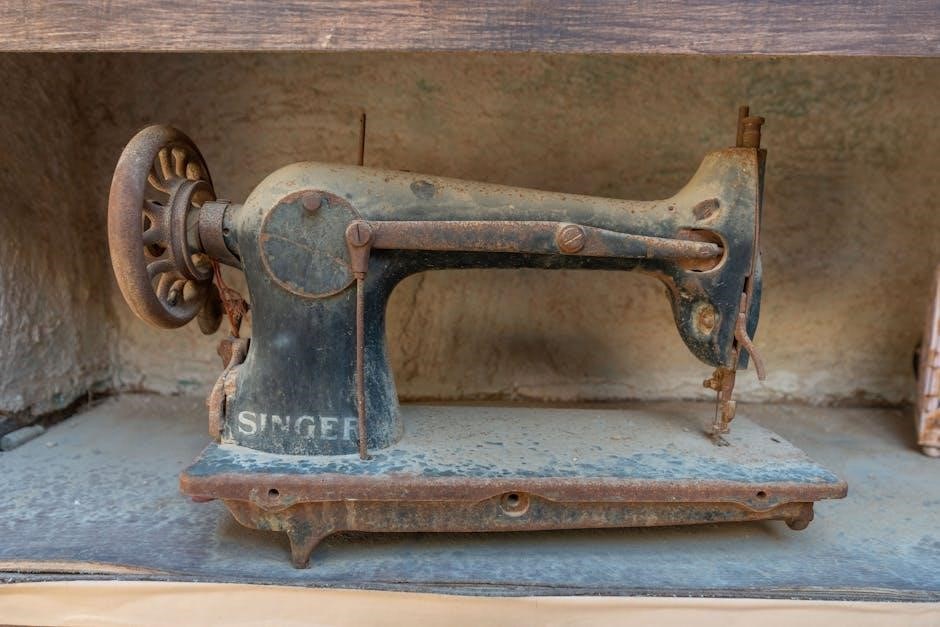
Dating Your Antique Singer Sewing Machine
Determining the age of your Singer sewing machine is crucial for understanding its history and value. The primary method involves locating the serial number, typically found on a plate affixed to the machine. This number, when cross-referenced with online databases and production charts, reveals the year of manufacture.

However, dating isn’t always straightforward. Singer utilized serial number sequences that sometimes overlap or have gaps. Consulting dedicated resources, like those offered by online forums and parts suppliers, is essential for accurate interpretation. The machine’s model number also provides clues, as certain models were produced within specific timeframes.
Original Singer manuals can also assist in dating. Early manuals often lack extensive dating information, but later publications may include production dates or model revisions. Examining the machine’s features – such as the type of decals, treadle design, or specific attachments – can further refine the estimated age. Remember that variations exist, and a combination of these methods yields the most reliable results. Careful observation and research are key to unlocking your machine’s history!
Identifying Different Singer Sewing Machine Models
Singer produced a vast array of sewing machine models over its history, each with unique characteristics. Identifying your specific model is the first step towards finding the correct manual and parts. Key identifiers include the model number, typically located on a plate alongside the serial number.
Common models like the Featherweight 221/222K, known for its portability, and the robust 15-91, a workhorse machine, have distinct features. Others, like the Class 69, represent earlier designs. Visual cues are also helpful: observe the machine’s body style, the presence of decorative elements, and the type of attachments included.
Instruction manuals often feature detailed illustrations of the model they cover, aiding in identification. Online resources and forums dedicated to Singer machines provide extensive galleries and comparison charts. Understanding the differences between models ensures you access the appropriate resources for maintenance, repair, and operation. Accurate identification unlocks a wealth of information tailored to your machine’s specific needs.
Locating Original Singer Sewing Machine Manuals
Finding original Singer sewing machine manuals can be a rewarding, though sometimes challenging, endeavor. While digital copies are readily available (see section on free PDF manuals), some enthusiasts prefer the authenticity of a physical manual. Antique shops, estate sales, and flea markets are potential sources, but condition and price can vary greatly.
Online auction sites, like eBay, frequently list original manuals, offering a wider selection. Specialized vintage sewing machine dealers also often stock original documentation. When purchasing, carefully examine the manual’s condition – look for completeness, clarity of illustrations, and minimal damage;
Libraries with extensive collections of technical manuals may also hold Singer publications. Remember to verify the manual corresponds precisely to your machine’s model and serial number. A correct match ensures accurate instructions for operation and maintenance. Patience and diligent searching are key to acquiring a genuine, original Singer manual.
Where to Find Free PDF Manuals Online
Fortunately, numerous online resources offer free PDF manuals for a vast range of Singer sewing machines. Several websites specialize in archiving vintage sewing machine documentation, providing convenient access to instruction guides. Instantly downloadable manuals are available for Singer, PFAFF, and Husqvarna Viking machines, covering setup, maintenance, and troubleshooting.
Dedicated Singer parts databases often include free manual downloads alongside their parts listings. Online forums and communities dedicated to vintage sewing machines frequently share scanned manuals as well. Websites offering these resources include those with manuals for models like the 1100/1120 and industrial machines such as the 351G.
A quick internet search using your machine’s model number and “manual PDF” will often yield results. Always exercise caution when downloading files from unfamiliar sources and ensure your antivirus software is up-to-date. These digital resources are invaluable for restoring and maintaining your antique Singer.
Singer Model 66 Manual and Common Issues
The Singer Model 66, a robust and versatile machine, is a favorite among vintage sewing enthusiasts. Finding a dedicated manual, often available as a free PDF online, is crucial for understanding its operation and maintenance. These manuals detail threading, stitch selection, and troubleshooting procedures specific to this model.
Common issues with the Model 66 often include timing problems, leading to skipped stitches or inconsistent tension. Another frequent concern is the condition of the bobbin winder, which may require cleaning or adjustment. Hardened grease is a typical problem in older machines, impacting smooth operation. Regular oiling, as detailed in the manual, is essential.
Furthermore, issues can arise with the presser foot pressure and the belt tension. The manual provides guidance on adjusting these components. Accessing online forums dedicated to Singer machines can provide additional support and solutions from experienced users facing similar challenges.
Singer Featherweight 221/222K Manual and Features
The Singer Featherweight 221 and 222K are iconic portable sewing machines, highly sought after for their durability and stitch quality. A comprehensive manual, readily available as a PDF download, is essential for maximizing its potential. These manuals illustrate proper threading, bobbin winding, and stitch regulation.
Key features of the Featherweight include its lightweight design, making it ideal for travel and classes. It boasts a powerful motor for its size and produces a consistent, reliable stitch. The manual details how to utilize the reverse lever and adjust the stitch length.
Common maintenance outlined in the manual includes regular oiling and cleaning of the bobbin area. Potential issues can involve timing adjustments or worn belts, which are easily addressed with guidance from the manual and online resources. The Featherweight’s simplicity and robust construction contribute to its enduring popularity.
Singer 15-91 Manual: A Workhorse Machine
The Singer 15-91, often lauded as a true “workhorse,” is a robust and versatile sewing machine from the mid-20th century. Locating an original or downloadable PDF manual is crucial for understanding its capabilities and maintaining optimal performance. The manual details its straight-stitch-only functionality and its ability to handle a wide range of fabrics.
This machine is renowned for its power and durability, making it suitable for heavy-duty tasks like denim and canvas. The manual provides clear instructions on bobbin winding, threading, and stitch length adjustment. It also covers essential maintenance procedures, including oiling points and cleaning techniques.
Troubleshooting sections within the manual address common issues like thread breakage or skipped stitches. The 15-91’s simple design and readily available parts contribute to its longevity and continued use by sewing enthusiasts. Accessing the manual unlocks the full potential of this dependable machine.
Understanding Singer Serial Numbers and Production Dates
Singer serial numbers are key to determining the manufacturing date of your antique machine, and often referenced within manuals. These numbers, typically found on a plate affixed to the machine, provide a valuable insight into its history. Decoding these numbers isn’t always straightforward, as Singer used different numbering systems over the years.
Early machines utilized a sequential numbering system, while later models employed letter-prefix codes. Online resources and dedicated databases can assist in translating these numbers into approximate production dates. Knowing the production date helps contextualize the machine’s features and potential variations.
The serial number, combined with information from the machine’s manual, can also reveal details about specific model changes or improvements implemented during its production run. This knowledge is invaluable for collectors, restorers, and anyone seeking a deeper understanding of their vintage Singer sewing machine.
Decoding Singer Manufacturing Dates
Decoding Singer manufacturing dates relies heavily on understanding the serial number system, often detailed within original manuals. Early Singer machines (pre-1900) had sequential serial numbers, making dating relatively simple with available charts. However, the system became more complex with the introduction of letter prefixes in the 20th century.
These letter prefixes, combined with numerical sequences, indicate the year and sometimes even the month of manufacture. Numerous online databases and enthusiast communities offer tools to translate these codes. It’s important to note that these dates are approximations due to potential overlaps and variations in Singer’s production practices.
Consulting a machine’s manual, when available, can corroborate the estimated date. Understanding the manufacturing date helps determine the correct parts, appropriate maintenance procedures, and the historical context of your vintage Singer. Accurate dating enhances the machine’s value and appreciation.
Common Problems and Troubleshooting for Antique Singers
Antique Singer sewing machines, while durable, often present common issues. Tension problems are frequent – uneven stitches usually indicate incorrect threading or a dirty tension assembly. Refer to your machine’s manual for proper threading diagrams. Another common issue is timing, where the needle and hook aren’t synchronized, causing skipped stitches.
A broken belt is easily remedied with a replacement, readily available online. Sticking or seizing can often be resolved with thorough cleaning and oiling, as detailed in maintenance sections of manuals. If the bobbin winder isn’t functioning, check the drive belt and ensure proper engagement.
Always disconnect the power (or hand crank) before attempting any repairs. Online forums and communities (mentioned later) are invaluable resources for diagnosing and resolving more complex problems. Remember to consult a qualified technician if you’re uncomfortable performing repairs yourself.
Needle and Thread Selection for Vintage Machines
Selecting the correct needle and thread is crucial for optimal performance with your antique Singer. Vintage machines generally require needles with a slightly rounded point, designed to avoid damaging older fabrics. System 15 needles (also known as HAx1) are often a good universal choice, but consult your manual for specific recommendations.
Thread weight is equally important. Cotton thread is ideal for many vintage projects, mirroring the materials originally used. Polyester thread offers strength and durability, but test it on a scrap fabric first to ensure compatibility. Avoid modern, heavily coated threads, as they can cause tension issues and lint buildup.
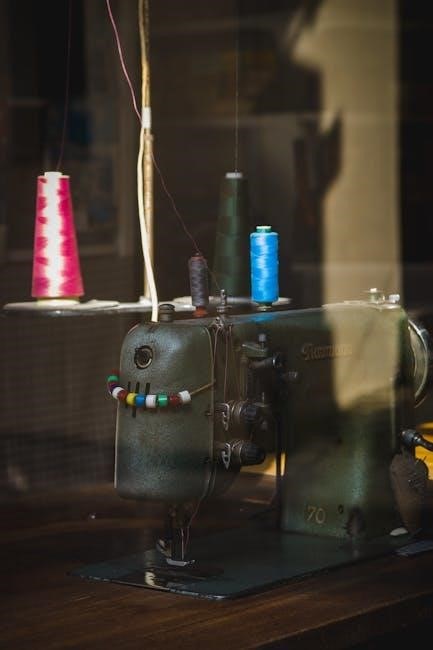
Needle size should correspond to the fabric weight. Finer fabrics require smaller needles (e.g., size 60/8), while heavier materials need larger ones (e.g., size 90/14). Always use a fresh, sharp needle to prevent skipped stitches and fabric damage. Proper needle and thread pairing extends machine life!
Oil and Maintenance for Long-Lasting Performance
Regular oiling is paramount for preserving your antique Singer sewing machine. Use a high-quality sewing machine oil – never household oil – and apply it sparingly to all moving parts, as detailed in your machine’s manual. Focus on the bobbin area, shuttle hook, and any points where metal rubs against metal.
Beyond oiling, consistent maintenance prevents issues. Lint removal is vital; use a small brush to clear away fabric fibers from the bobbin case and feed dogs after each use. Periodically inspect the belt for wear and tear, and replace it if necessary.
Avoid over-oiling, as excess oil attracts dust and can gum up the mechanism. A light touch is best. Cleaning and lubrication, performed consistently, will ensure smooth operation and extend the life of your treasured vintage machine for decades to come.
Belt Replacement and Tension Adjustment
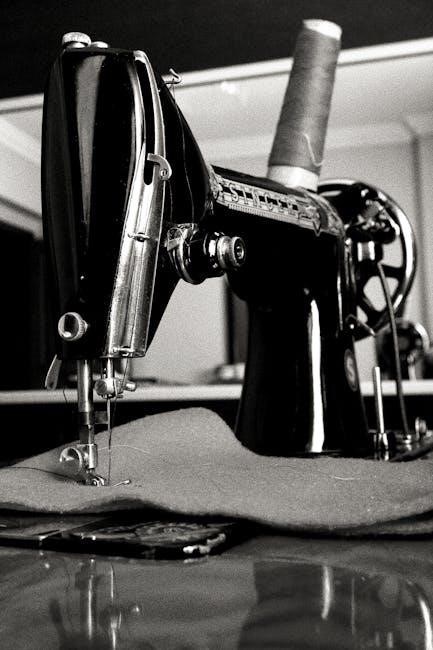
Replacing the belt on your antique Singer is a relatively straightforward maintenance task. First, disconnect the power source! Carefully remove the old belt, noting its routing around the motor pulley and handwheel. Install the new belt, ensuring it’s seated correctly in the grooves.
Belt tension is crucial for optimal performance; Too loose, and the machine will slip; too tight, and it strains the motor and bearings. A properly tensioned belt should have a slight give when pressed gently. Many older Singers have a tension screw or adjustable motor mounting plate.
Adjust the tension incrementally, testing the machine after each adjustment. Listen for slipping or unusual noises. Refer to your specific model’s manual for detailed instructions and diagrams. Correct belt tension ensures smooth, consistent stitching and prevents premature wear on machine components.
Restoration and Repair Resources
Restoring an antique Singer sewing machine can be a rewarding, though sometimes challenging, endeavor. Numerous online resources cater to enthusiasts. Online forums and communities (mentioned elsewhere in this guide) are excellent starting points for advice and troubleshooting.
Several websites specialize in Singer parts, offering replacements for worn or broken components. These include both new-manufactured and original vintage parts. Professional repair services are also available, particularly for complex issues like motor repair or cabinet refinishing.
DIY restoration often involves cleaning, lubrication, and replacing belts or other consumable parts. More extensive work, such as repainting or rewinding motors, requires specialized skills and tools. Always prioritize safety and consult experienced restorers when tackling complex repairs. Remember to document your process with photos!
Singer Sewing Machine Parts Availability
Finding parts for antique Singer sewing machines can range from relatively easy to quite difficult, depending on the model and the specific component needed. Fortunately, a robust network of suppliers exists to support these machines.
Many online retailers specialize in Singer parts, offering everything from bobbins and needles to more complex items like shuttle hooks and handwheels. Some dealers focus on new-manufactured parts, while others deal in original vintage components salvaged from old machines. UK-based on-line suppliers maintain extensive databases.
eBay and other auction sites are also valuable sources, but require careful inspection of listings to ensure compatibility and quality. When searching, having the machine’s serial number and model number is crucial for accurate identification. Don’t hesitate to contact sellers with questions before purchasing. Remember to factor in shipping costs and potential import duties.
Online Forums and Communities for Singer Enthusiasts
Connecting with fellow Singer sewing machine enthusiasts online is an invaluable resource for owners of antique machines. Numerous forums and communities offer a wealth of knowledge, support, and camaraderie.
These platforms provide spaces to ask questions, share restoration projects, identify models, and locate hard-to-find manuals or parts. Members often possess extensive expertise and are eager to assist others. You can find advice on troubleshooting common issues, deciphering serial numbers, and understanding manufacturing dates.
Online forums are also excellent places to learn about upcoming sewing events, auctions, and sales. Many communities host virtual “show and tell” sessions, allowing members to showcase their beautifully restored machines. Participating in these groups fosters a sense of connection and helps preserve the legacy of these remarkable machines; Search online for “Singer sewing machine forum” to discover a vibrant community!
Resources for Antique Singer Sewing Machine Appraisals
Determining the value of an antique Singer sewing machine can be complex, influenced by model, condition, rarity, and included accessories. Several resources are available to assist with appraisals.
While a definitive appraisal often requires a professional evaluation, online resources can provide preliminary estimates. Completed sales data from auction sites like eBay can offer insights into current market values for comparable machines. However, remember that these figures represent sold prices and may not reflect the true worth of your specific machine.
Antique appraisers specializing in sewing machines are the most reliable source for accurate valuations. These professionals consider all relevant factors and provide a formal appraisal report. Local antique shops or appraisal services can connect you with qualified experts. Be prepared to provide detailed information about your machine, including the model number, serial number, and condition. Thorough documentation, including any original manuals, enhances the appraisal process.