Garden Spa Hot Tub Manual: An Overview
This manual provides essential guidance for Garden Spa Hot Tub owners, covering installation, safety, maintenance, troubleshooting, and brand-specific details for optimal enjoyment.
Garden Spa Hot Tubs offer a luxurious and relaxing experience, transforming your backyard into a personal wellness retreat. These spas, like those from Jacuzzi, embody the philosophy of Salus Per Aquam – health through water – providing therapeutic benefits and a tranquil escape.

Whether constructed from durable PVC, advanced Duraplus, or innovative drop stitch materials (as seen in Bestway spas), understanding your hot tub’s construction is key. Proper installation, including foundation preparation and electrical considerations, ensures longevity.
This manual will guide you through every aspect of ownership, from safe entry and exit procedures to maintaining optimal water chemistry and addressing common issues like pump malfunctions or heating problems.
Safety Precautions
Prioritizing safety is paramount when enjoying your Garden Spa Hot Tub. Always enter and exit the spa slowly and cautiously, as wet surfaces can be incredibly slippery, potentially leading to falls and injuries. Never operate the spa if you feel unwell or are under the influence of alcohol or medications.
Supervise children closely and never allow them unsupervised access to the hot tub area. Be mindful of electrical safety; ensure proper grounding and avoid using electrical appliances near the water.
Regularly inspect the hot tub and surrounding area for potential hazards. Following these precautions will help ensure a safe and enjoyable spa experience for everyone.
Entering and Exiting the Hot Tub
Careful entry and exit are crucial to prevent accidents. Always use the provided steps or handrails for support. Move slowly and deliberately, testing your footing before transferring your weight. Avoid jumping or diving into the hot tub, as this can cause serious injury.
Be especially cautious when the hot tub surface or surrounding area is wet. Consider using non-slip mats for added security.
When exiting, ensure you have a firm grip and maintain a low center of gravity. Take your time and avoid rushing, particularly for individuals with mobility limitations.
Wet Surface Awareness
Maintaining awareness of wet surfaces is paramount for hot tub safety. Water splashed from the tub, combined with moisture from the surrounding environment, creates a slip hazard. Regularly wipe up any spills around the hot tub perimeter to minimize risk.
Encourage users to exercise extreme caution when walking near the hot tub, especially after showering or swimming. Consider placing non-slip mats or rugs in high-traffic areas.
Clearly communicate the potential for slippery conditions to all users, and advise them to move slowly and deliberately.
Installation & Setup
Proper installation is crucial for a safe and enjoyable hot tub experience, involving careful location selection, foundation preparation, and correct electrical connections.
Choosing the Right Location
Selecting the ideal spot for your garden spa is paramount. Consider a level surface capable of supporting the filled hot tub’s considerable weight; a reinforced foundation is often necessary. Privacy is key – perhaps nestled within landscaping or screened by fencing.
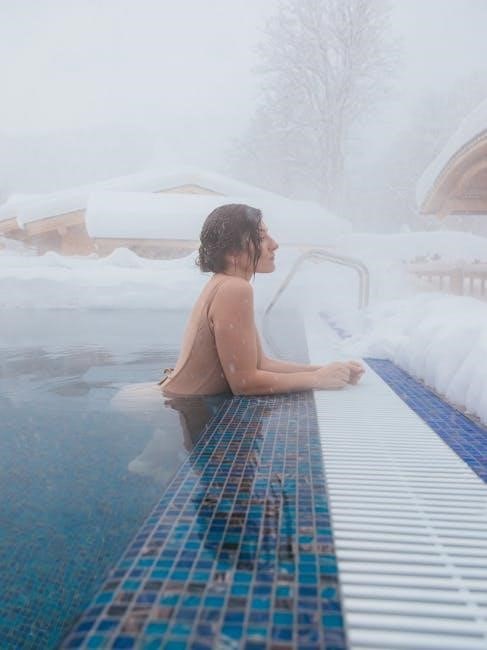
Accessibility for maintenance and enjoying the surrounding garden views are also important factors. Proximity to electrical outlets is essential, minimizing extension cord usage. Think about shelter from wind and direct sunlight, potentially utilizing existing structures or planting trees strategically. A location leading into an enclosed garden offers a relaxing atmosphere.
Preparing the Foundation
A solid, level foundation is crucial for your hot tub’s longevity and safe operation. Begin by excavating the area to a suitable depth, accounting for a gravel base and a concrete pad if desired. Ensure adequate drainage to prevent water accumulation beneath the tub.
Leveling the ground is paramount; even slight inclines can cause uneven stress and potential damage. Use a spirit level and adjust the base accordingly. Consider reinforcing the foundation with rebar for added strength, especially for larger or heavier models. A properly prepared foundation ensures stability and prevents future settling.
Leveling the Ground
Achieving a perfectly level surface is non-negotiable for hot tub installation. Begin with a long spirit level, checking for variations across the entire intended footprint. Utilize a layer of compacted gravel as a base, adjusting its depth to compensate for any ground irregularities.
For significant slopes, consider building a wooden frame or concrete pad to create a uniformly level platform. Regularly re-check leveling throughout the process. Even minor imbalances can strain the hot tub’s structure and void warranties, so precision is key for long-term stability and safe operation.
Electrical Requirements
Garden Spa Hot Tubs demand dedicated electrical circuits, typically 220-240V, depending on the model’s specifications. Never attempt to share a circuit with other appliances. A qualified electrician must perform the installation, ensuring compliance with local electrical codes and safety regulations.
Ground Fault Circuit Interrupter (GFCI) protection is absolutely essential to prevent electrical shock. The circuit should include a readily accessible disconnect switch for emergency shut-off. Verify the amperage rating of the circuit matches the hot tub’s requirements, preventing overheating and potential hazards.
Maintenance & Care
Regular upkeep is crucial for a pristine spa experience, encompassing water chemistry balancing, diligent filter cleaning, and proper hot tub cover maintenance procedures.
Water Chemistry
Maintaining proper water chemistry is paramount for a safe and enjoyable hot tub experience. Regularly test and adjust water parameters to ensure optimal sanitation and prevent equipment damage. Key areas include pH levels, alkalinity, and sanitizer concentration. Consistent monitoring prevents algae growth, cloudy water, and corrosion.

Effective water care extends the lifespan of your hot tub components, particularly the pump and heating system. Always follow manufacturer recommendations for chemical usage and frequency. Improperly balanced water can void warranties and lead to costly repairs. Prioritize a consistent routine for pristine water quality.
Balancing pH Levels
Maintaining the correct pH level, ideally between 7.2 and 7.8, is crucial for water comfort and sanitizer effectiveness. Low pH (acidic water) can cause corrosion of metal components and irritate skin and eyes. High pH (alkaline water) reduces sanitizer efficiency, leading to potential bacterial growth and cloudy water.
Regularly test pH using a reliable test kit or strips. To lower pH, add a pH reducer (sodium bisulfate). To raise pH, use a pH increaser (sodium carbonate). Always follow product instructions carefully and add chemicals gradually, retesting after each adjustment. Consistent pH balance ensures a safe and pleasant soaking experience.
Sanitization Methods
Effective sanitization is paramount for maintaining hygienic spa water. Common methods include chlorine, bromine, and mineral systems. Chlorine is a powerful oxidizer, killing bacteria effectively, but can have a strong odor and cause irritation. Bromine offers a milder alternative, stable at higher temperatures, and less irritating to skin.
Mineral systems, often utilizing silver ions, reduce chlorine or bromine demand, providing a gentler approach. Regardless of the chosen method, regular shocking – oxidizing contaminants – is essential. Always follow manufacturer’s instructions for dosage and frequency to ensure proper water sanitation and a safe, enjoyable spa experience.
Filter Cleaning & Replacement
Maintaining a clean filter is crucial for optimal hot tub performance and water clarity. Regularly rinse the filter with a garden hose, removing debris and sediment. A dedicated filter cleaning solution should be used monthly to dissolve oils and buildup, restoring filter efficiency.
Filters require periodic deep cleaning or replacement. Inspect the filter pleats for damage; tears or significant wear indicate replacement is necessary. Typically, filters should be replaced every 12-18 months, depending on usage and water quality. A clean filter ensures proper water circulation and reduces strain on the pump, extending its lifespan.
Hot Tub Cover Maintenance
Your hot tub cover is a vital component, protecting the water and retaining heat. Regularly clean the cover with mild soap and water to remove dirt and debris. Avoid harsh chemicals or abrasive cleaners that can damage the vinyl.
Periodically treat the cover with a vinyl protectant to prevent fading and cracking from UV exposure. Inspect the cover for water absorption; a saturated cover adds weight and reduces insulation; Consider a cover lift to simplify removal and storage, preventing unnecessary wear and tear. Proper cover maintenance extends its lifespan and saves energy.
Troubleshooting Common Issues
Addressing pump malfunctions and heating problems is crucial for uninterrupted relaxation; this section offers solutions and considerations for hot water tank updates.
Pump Malfunctions
Pump issues are a frequent concern for hot tub owners. Initial troubleshooting involves checking the power supply and ensuring the GFCI hasn’t tripped. A humming sound, but no water circulation, often indicates a blockage in the impeller or plumbing. Carefully inspect and remove any debris, remembering to disconnect power first!
If the pump fails to start, examine the capacitor – a common failure point. A completely silent pump might suggest a motor burnout, requiring professional repair or replacement. Never attempt to disassemble the pump yourself if you lack experience; improper handling can cause further damage or electrical shock. Always prioritize safety and consult a qualified technician for complex repairs.
Heating Problems
Consistent heating is crucial for a relaxing hot tub experience. If your spa isn’t heating, first verify the thermostat setting and ensure it’s within the desired range. Check the circuit breaker dedicated to the hot tub; a tripped breaker will halt heating. Inspect the high-limit switch – a safety feature that cuts power if the water overheats – it may need resetting.
Updated hot water tank considerations involve checking for error codes displayed on the control panel, referencing the manufacturer’s documentation for specific meanings. A failing heater element is a common cause, requiring professional replacement. Low water levels can also prevent heating; ensure proper fill levels are maintained.
Updated Hot Water Tank Considerations
Modern hot tub systems often utilize advanced hot water tank technology for efficient heating and energy conservation. Regularly inspect the tank for any signs of corrosion or leaks, as these can compromise performance and safety. Ensure proper insulation around the tank to minimize heat loss, especially in colder climates.
Pay attention to error codes displayed on the control panel, as these provide valuable diagnostic information. Consider the tank’s capacity relative to the hot tub’s size; an undersized tank will struggle to maintain temperature. Professional servicing is recommended for complex issues or component replacements.
Materials & Construction
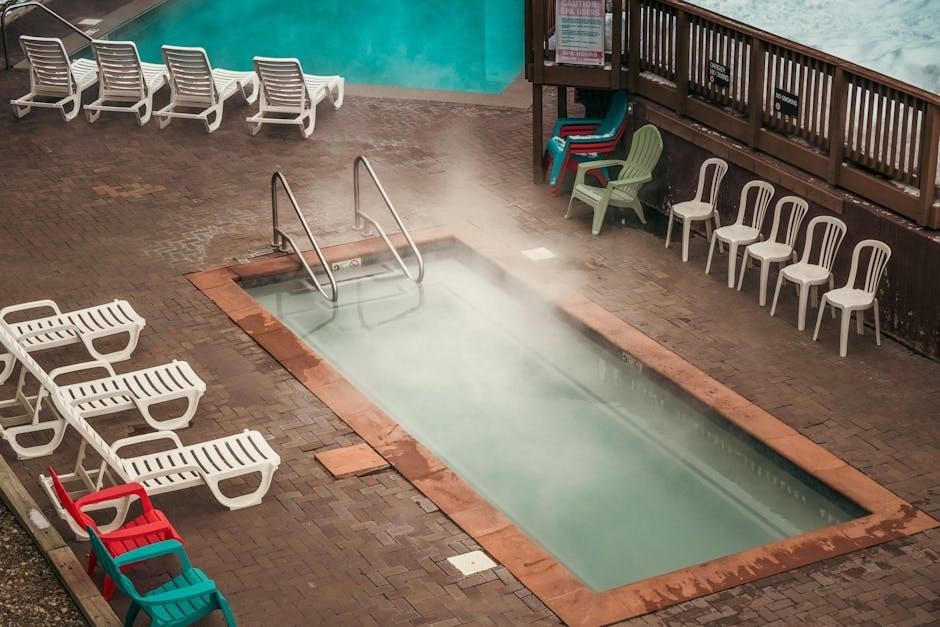
Garden Spa Hot Tubs utilize diverse materials like PVC, Duraplus, and drop stitch, each impacting durability and repair procedures; understanding these is crucial.
PVC Spas & Repair
PVC spas represent an economical entry point into hot tub ownership, but require specific repair approaches. Damage, often stemming from punctures or tears, necessitates a dedicated PVC repair kit. Thorough cleaning of the affected area is paramount before applying the adhesive and patch, ensuring a strong bond.
Small leaks can often be addressed with these kits, but larger structural issues may demand professional intervention. Regular inspection for wear and tear is vital to prevent extensive damage. Remember that PVC is susceptible to UV degradation, so proper cover usage extends its lifespan. Always follow the manufacturer’s instructions for optimal repair results and safety.
Duraplus & Drop Stitch Materials
Bestway utilizes Duraplus and Drop Stitch materials in their spa construction, offering enhanced durability and structural integrity compared to standard PVC. Duraplus features a reinforced PVC layer, while Drop Stitch employs interwoven fibers for superior rigidity. Repair procedures differ significantly from traditional PVC spas.
For minor punctures in Duraplus, a specialized repair patch and adhesive are recommended. Drop Stitch repairs, however, often require professional attention due to the complex internal structure. Avoid attempting extensive DIY fixes on Drop Stitch models. Regular maintenance and careful handling are crucial to preserving the lifespan of these advanced materials, preventing costly repairs.
Brand Specific Information
Jacuzzi offers dedicated after-sales support for their hot tubs and bathroom products, while Bestway provides specific repair procedures based on material type.
Jacuzzi Hot Tubs ⎼ After Sales Support
Jacuzzi provides comprehensive after-sales support to ensure continued satisfaction with your hot tub investment. For hot tub related inquiries, contact them at 0044 1274 471887 or via email at hottubsaftersalesjacuzziemea.com.
Bathroom product support is also available; reach out at 0044 1274 471886 or bathroomaftersalesjacuzziemea.com. Jacuzzi Whirlpool GmbH is dedicated to hydromassage excellence.
Their commitment extends beyond the initial purchase, offering assistance with any questions or concerns you may have regarding operation, maintenance, or potential repairs, solidifying their position as a leader in the industry.
Bestway Spa Repair Procedures
Bestway spas utilize diverse materials – PVC, Duraplus, and drop stitch – each requiring specific repair procedures. Successful repairs depend on identifying the material of your spa.
PVC repairs often involve patching kits designed for vinyl materials, while Duraplus may require specialized adhesives. Drop stitch construction, known for its rigidity, demands careful attention to seam integrity during repair.
Always consult Bestway’s official repair guides for detailed instructions tailored to your spa model and material. Improper repairs can compromise the spa’s structural integrity and safety.

Additional Considerations
Enhance your spa experience with thoughtful garden integration and design, prioritizing privacy within your backyard for relaxation and peaceful enjoyment.
Garden Integration & Design
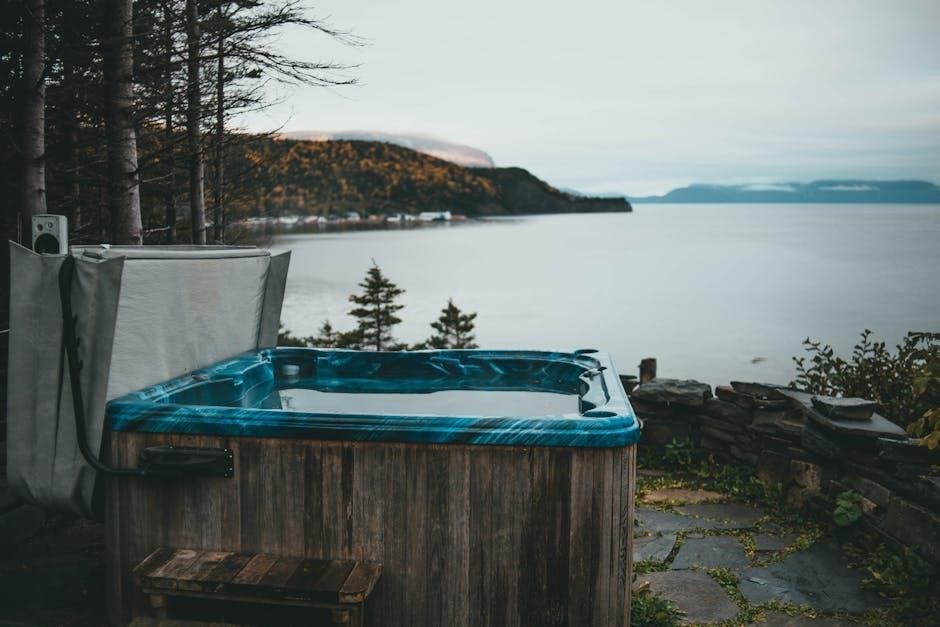
Seamlessly blend your hot tub into the garden landscape for a tranquil retreat. Consider surrounding the spa with lush greenery, creating a private and relaxing atmosphere. Pathways leading to the tub can be adorned with decorative stones or lighting.
Think about incorporating features like nearby seating areas with comfortable chairs, perhaps within an enclosed garden space as suggested, for lounging with a book. Strategic planting can offer both privacy and aesthetic appeal.
Water features, such as small fountains or cascading plants, can complement the spa experience, enhancing the overall sense of serenity. Remember to choose plants that thrive in the local climate and require minimal maintenance.
Private Backyard Considerations
Maximize privacy in your backyard spa area with thoughtful design choices. Utilize fencing, strategically placed trees, or tall shrubs to shield the hot tub from neighbors’ views. A fully fenced backyard, like the example provided, is ideal for entertaining and ensuring seclusion.
Consider the placement of the hot tub relative to windows in neighboring homes. Screening options, such as lattice or privacy screens, can offer additional protection.
Ensure adequate lighting for safe nighttime use and to enhance the ambiance. A well-designed private backyard transforms your hot tub into a personal oasis, promoting relaxation and enjoyment.