Embark on a captivating journey through Texas history and artistry with a self-guided painted churches tour‚ easily accessible by car from San Antonio.
Discover fifteen historically significant churches‚ recognized on the National Register of Historic Places since 1984‚ showcasing unique artistic styles.
What are the Painted Churches?
The Painted Churches of Texas represent a remarkable collection of Catholic churches‚ primarily located in the rural areas surrounding Schulenburg‚ Brenham‚ and Shiner. These aren’t simply places of worship; they are breathtaking displays of artistry‚ lovingly created by early German and Czech settlers.
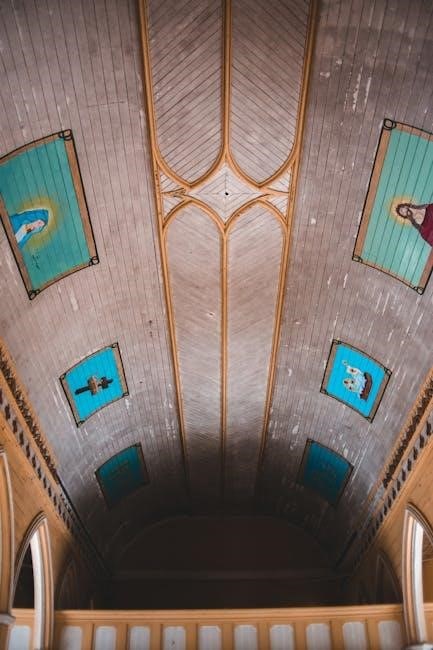
What truly sets these churches apart is the intricate and vibrant artwork adorning their interiors. Unlike traditional stained glass‚ these churches feature walls and ceilings completely covered in detailed paintings‚ executed in a distinctive style often referred to as “folk baroque.”
These artistic masterpieces depict biblical scenes‚ floral motifs‚ and ornate patterns‚ creating an immersive and awe-inspiring experience for visitors. The churches weren’t initially recognized for their artistic merit‚ but have since gained prominence‚ attracting designers‚ historians‚ and tourists alike. They offer a tangible connection to the faith and cultural heritage of the communities who built them;
Historical Significance & National Register Listing
The historical importance of the Painted Churches stems directly from the waves of German and Czech immigration to Texas in the 19th century. These settlers‚ seeking new opportunities and religious freedom‚ brought with them a deep Catholic faith and a tradition of decorating their churches with elaborate artwork.
Recognizing their unique cultural and artistic value‚ fifteen of these churches were officially designated as National Historic Landmarks in 1984 and listed on the National Register of Historic Places. This recognition underscored their significance as exceptional examples of folk art and religious expression.
Prior to this listing‚ the churches were often simply taken for granted by local communities. The National Register listing helped to raise awareness of their importance‚ prompting preservation efforts and attracting increased attention from both within Texas and beyond. This designation ensures that these treasured landmarks will be protected for future generations to appreciate.
The Role of German and Czech Immigrants
The Painted Churches are a direct testament to the enduring legacy of German and Czech immigrants who settled in Central Texas during the 19th and early 20th centuries. These communities‚ largely farmers‚ established a strong Catholic faith as the cornerstone of their lives.
Driven by a desire to recreate the beautiful churches they remembered from their homelands‚ they employed skilled artists – often itinerant painters from the same immigrant communities – to adorn the interiors of their new places of worship. These artists utilized techniques and styles reminiscent of European churches‚ adapting them to the Texas landscape and available resources.
The churches served not only as centers of religious practice but also as vital community hubs‚ fostering a sense of identity and preserving cultural traditions. Their creation represents a remarkable blend of faith‚ artistry‚ and the immigrant experience‚ making them a unique and cherished part of Texas heritage.
Planning Your Self-Guided Tour
Effortlessly plan your adventure to these beautiful churches‚ conveniently located just over an hour from San Antonio‚ and accessible with your own vehicle.
Best Time to Visit
Optimal viewing experiences are generally enjoyed during the spring and fall months‚ offering pleasant weather for exploring these historical treasures. Avoiding the intense summer heat of Texas is highly recommended‚ as it can impact comfort during your visits.
While the churches are always open to the public‚ consider weekdays for fewer crowds and a more intimate experience with the artwork and architecture. Weekends can become busy‚ especially during local festivals or events.
The churches welcome visitors year-round‚ providing consistent access to their unique beauty and historical significance. However‚ be mindful of potential weather conditions and plan accordingly to maximize your enjoyment of this captivating tour. Checking local event calendars can help you avoid unexpectedly crowded times.
Starting Point: Proximity to San Antonio
San Antonio serves as an ideal launchpad for your exploration of the Painted Churches‚ situated just a little over an hour’s drive away. This convenient location allows for a comfortable day trip or an extended weekend adventure.
Planning your route from San Antonio provides easy access to the heart of this historical region. Consider beginning your journey eastward‚ towards the communities of Shiner‚ Praha‚ and Dubina‚ where several key churches are located.
The relatively short distance makes it feasible to visit multiple churches in a single day‚ though dedicating more time allows for a more immersive experience. Utilizing a map‚ either digital or printed‚ is crucial for efficient navigation and discovering hidden gems along the way. Remember to factor in driving times between each location.
Duration of the Tour
The length of your Painted Churches tour is wonderfully flexible‚ adapting to your interests and available time. A whirlwind tour‚ hitting the most prominent churches‚ can be accomplished in a single‚ full day.
However‚ to truly appreciate the artistry‚ history‚ and unique character of each church‚ a two or three-day itinerary is highly recommended. This allows for leisurely exploration and deeper engagement with the local communities.
Consider the distances between churches when planning your schedule. Driving times can add up‚ and you’ll want to allocate sufficient time for admiring the architecture‚ details of the paintings‚ and learning about the founders. Don’t rush the experience – savor the echoes of the homeland!
Transportation Options: Driving Your Own Vehicle
The most convenient and recommended way to experience the Painted Churches Tour is by driving your own vehicle. This provides the freedom to explore at your own pace and easily access all the churches scattered across the Texas countryside.
Public transportation options are limited in this rural area‚ making a personal vehicle essential for a comprehensive self-guided tour. Having a car allows you to deviate from the main route and discover hidden gems along the way.
Road conditions are generally good‚ but be prepared for stretches of highway and some smaller‚ winding country roads. Ensure your vehicle is in good working order before embarking on your journey‚ and enjoy the scenic drive!
Key Churches to Include on Your Map
Plan to visit iconic landmarks like St. Mary’s in Praha‚ Saints Cyril and Methodius in Dubina‚ and others‚ each boasting unique artistry and historical roots.
St. Mary’s Church of the Assumption‚ Praha
St. Mary’s Church of the Assumption in Praha‚ Texas‚ stands as a breathtaking example of the region’s painted church heritage. Founded by Czech immigrants‚ this stunning church showcases elaborate‚ detailed artwork covering its interior‚ transporting visitors back to a different era.
The church’s vibrant murals‚ painted by Czech artists‚ depict biblical scenes with a distinctive European style‚ reflecting the cultural roots of its founders. Visitors are captivated by the intricate details and the sheer artistry displayed within its walls. It’s a testament to the faith and dedication of the early settlers.
Information about the church’s history and the artists involved is readily available on-site‚ enhancing the visitor experience. Always open to the public‚ St. Mary’s is a must-see destination for anyone exploring the Painted Churches Tour‚ offering a profound glimpse into Texas’s rich cultural tapestry.
Saints Cyril and Methodius Catholic Church‚ Dubina
Saints Cyril and Methodius Catholic Church in Dubina‚ Texas‚ is a jewel among the Painted Churches‚ deeply rooted in the history of Czech immigration to the region. This church is renowned for its exceptionally well-preserved and vividly colored interior artwork‚ a true spectacle for visitors.
The church’s murals‚ created by local artists‚ feature intricate depictions of religious scenes and symbolic motifs‚ showcasing a unique blend of Czech artistic traditions and Texan influences. The detail and craftsmanship are remarkable‚ offering a powerful visual narrative of faith and community.
Visitors will find informative displays detailing the church’s founding and the stories behind the artwork‚ enriching their understanding of this historical landmark. Being consistently open to the public‚ Dubina’s church provides an immersive experience‚ allowing appreciation of both architecture and religious roots.
St. John the Baptist Catholic Church‚ Ammannsville
St. John the Baptist Catholic Church in Ammannsville stands as a testament to the enduring faith and artistic spirit of early German settlers in Texas. This church‚ a key stop on the Painted Churches Tour‚ captivates visitors with its stunning interior‚ adorned with beautifully preserved murals.
The artwork within St. John’s showcases a distinctive style‚ characterized by vibrant colors and detailed depictions of biblical scenes and religious iconography. These paintings‚ created by dedicated local artists‚ reflect the cultural heritage and devotion of the community.
Always open to the public‚ the church offers a welcoming space for contemplation and appreciation of its historical and artistic significance. Information about its founding and the artists involved is readily available‚ enhancing the visitor experience. It’s a wonderful place to connect with Texas’s Catholic religious roots.
St. Mary’s Catholic Church‚ High Hill
St. Mary’s Catholic Church in High Hill is arguably the most renowned and photographed of all the Painted Churches‚ and a must-see on any self-guided tour. Its breathtaking interior boasts an exceptionally elaborate and well-preserved collection of murals‚ making it a true artistic gem.
The church’s artwork is celebrated for its intricate detail‚ vibrant colors‚ and masterful execution. The paintings depict scenes from the Bible‚ the lives of the saints‚ and symbolic representations of faith‚ reflecting the deep religious convictions of the Czech and German immigrants who built it.
Open to visitors‚ St. Mary’s provides readily available information regarding its history and the talented artists who brought its walls to life. Appreciating the architecture‚ details‚ and history of its founders is a truly rewarding experience‚ showcasing Texas’s rich Catholic heritage.
St. Philip’s Catholic Church‚ Shiner
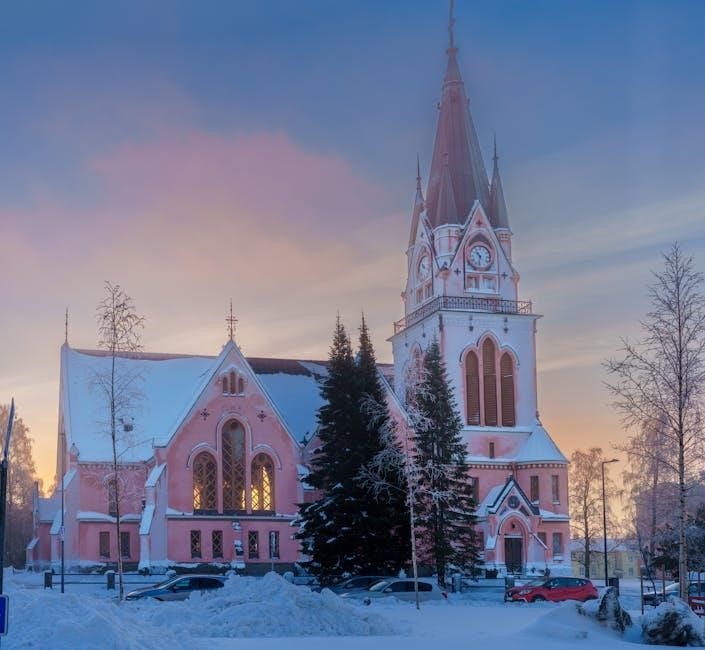
St. Philip’s Catholic Church in Shiner offers a unique and captivating experience for visitors on the Painted Churches Tour‚ standing as a testament to the faith and artistry of early Czech and German settlers. While perhaps not as widely publicized as High Hill‚ its beauty and historical significance are undeniable.
The church’s interior is adorned with stunning painted murals‚ showcasing a distinctive style that blends European artistic traditions with the local context. These artworks depict religious scenes and figures‚ reflecting the strong Catholic roots of the community.
Always open to the public‚ St. Philip’s provides visitors with information about its founding and the stories behind its creation. It’s a wonderful place to appreciate the architecture‚ the intricate details of the paintings‚ and the enduring legacy of those who established this sacred space.
Understanding the Church Art
Delve into the remarkable artistry within these sacred spaces‚ where unique painting styles and motifs reflect the deep Catholic faith and cultural heritage of the founders.
The Style of Painting: Unique Characteristics
The painted churches of Texas boast a distinctive artistic style‚ a fascinating blend of European influences brought by German and Czech immigrants in the 19th and early 20th centuries. Unlike the grand frescoes found in many European cathedrals‚ the Texas style is characterized by a more folk-art approach‚ often executed by itinerant artists.
These artists employed a technique known as “water gilding‚” applying thin layers of gold leaf to the plaster walls before painting over them with vibrant‚ oil-based paints. This created a luminous effect‚ enhancing the intricate details of biblical scenes and religious iconography. The paintings often feature trompe-l’oeil effects‚ creating illusions of depth and architectural grandeur within the relatively modest church interiors.
A key characteristic is the emphasis on detail and realism‚ combined with a certain naiveté that gives the artwork its unique charm. The style isn’t necessarily academically “correct‚” but it’s profoundly expressive and deeply rooted in the faith and traditions of the communities who commissioned it. The artwork serves as a visual testament to their devotion and a vibrant echo of their homeland.
Themes and Motifs in the Artwork
The artwork within the painted churches predominantly revolves around Catholic religious themes‚ reflecting the strong faith of the German and Czech immigrant communities who built these sanctuaries. Common motifs include depictions of the life of Christ‚ the Virgin Mary‚ and various saints‚ particularly St. Mary‚ frequently honored in church names.
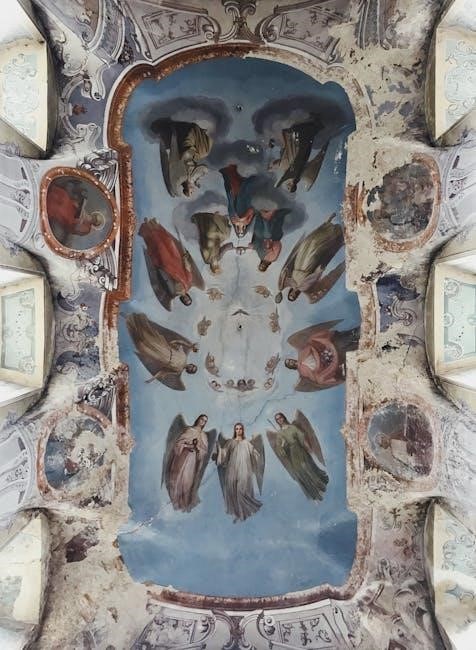
Biblical scenes from the Old and New Testaments are rendered with a focus on storytelling and emotional impact. Expect to see representations of the Annunciation‚ the Crucifixion‚ and the Last Judgment‚ often presented with dramatic flair. Beyond purely biblical subjects‚ symbolic imagery abounds‚ incorporating elements like angels‚ doves (representing the Holy Spirit)‚ and floral patterns symbolizing purity and devotion.
Recurring motifs also reflect the cultural heritage of the artists and communities. Elements reminiscent of European folk art and decorative traditions are subtly woven into the designs‚ creating a unique visual language that blends religious iconography with local artistic sensibilities. These themes collectively narrate a story of faith‚ hope‚ and cultural preservation.
Artists and Their Techniques
The artists behind the stunning interiors of the painted churches were largely self-taught‚ often itinerant painters of German and Czech descent. They brought with them traditional European painting techniques‚ adapted to the available materials and local conditions in Texas.
Their primary technique involved painting directly onto plastered walls and ceilings‚ utilizing oil paints and a meticulous layering process. Detailed stencils were frequently employed to achieve intricate patterns and designs‚ while freehand painting allowed for expressive depictions of religious figures and scenes. The artists often worked collaboratively‚ with some specializing in specific elements like landscapes or portraits.
A distinctive characteristic of their style is the use of trompe-l’oeil‚ creating illusions of depth and architectural detail. They skillfully mimicked marble‚ wood grain‚ and other textures‚ transforming simple church interiors into opulent visual experiences. These dedicated artisans left behind a legacy of faith and artistry‚ enriching the cultural landscape of Texas.
Preservation Efforts and Restoration
Recognizing the historical and artistic significance of these treasures‚ dedicated preservation efforts have been underway for decades. Initially taken for granted‚ the painted churches now benefit from increased awareness and funding for restoration projects.
Challenges include combating the effects of time‚ humidity‚ and occasional natural disasters. Restoration work is painstakingly carried out by skilled conservators specializing in historic paint and plaster. The process involves careful cleaning‚ consolidation of fragile surfaces‚ and inpainting to match original colors and designs.
Local communities and historical societies play a vital role in fundraising and advocating for preservation. Ongoing monitoring and preventative maintenance are crucial to ensure these artistic masterpieces endure for future generations. These collaborative efforts safeguard a unique cultural heritage‚ allowing visitors to continue experiencing the beauty and history of the painted churches.
Practical Tips for Your Visit
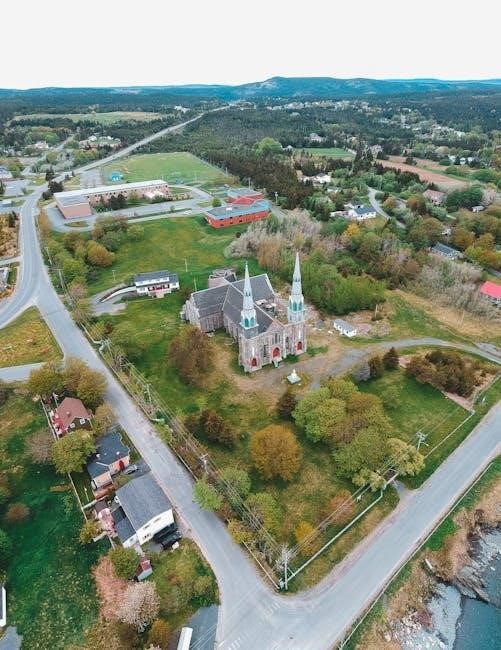
Remember to behave respectfully within these sacred spaces‚ observing appropriate church etiquette. Each church freely welcomes visitors and provides historical information about its founding.
Church Etiquette and Respectful Behavior
Visiting these historic churches is a privilege‚ and maintaining a respectful demeanor is paramount. As active places of worship‚ remember these are not simply museums‚ but sanctuaries for prayer and community.
Dress modestly; while there isn’t a strict dress code‚ avoiding overly revealing clothing is appreciated. Refrain from loud conversations or disruptive behavior that could interrupt services or personal reflection.
Photography is generally permitted‚ but always be mindful of ongoing services or events. Avoid using flash photography‚ as it can damage the delicate artwork.
Silence your cell phones before entering the church. Take a moment to appreciate the artistry and history‚ recognizing the dedication of the German and Czech immigrants who built and adorned these beautiful spaces.
Treat the church grounds with respect‚ avoiding littering or damaging the property. Your considerate behavior ensures these treasures remain accessible for future generations.
Information Availability at Each Church
Each of the Painted Churches welcomes visitors and provides resources to enhance your understanding of its history and artistry. You won’t need a guided tour to appreciate the significance of these landmarks!
Upon arrival‚ you’ll find information detailing the church’s founding‚ the stories of the communities who built it‚ and the artists responsible for the stunning interior paintings. Look for pamphlets‚ brochures‚ or informational displays within the church itself.
Many churches also offer brief historical summaries outlining the waves of German and Czech immigration that shaped the region and influenced the unique artistic styles.
Don’t hesitate to ask a parishioner if you have questions; they are often happy to share their knowledge and personal connections to the church.
These readily available resources allow for a rich and self-directed exploration of these treasured Texas landmarks‚ making your tour both informative and deeply personal.
Photography Guidelines
Capturing the beauty of the Painted Churches is encouraged‚ allowing you to preserve memories of your journey through Texas history and art. However‚ respectful photography is essential.
Generally‚ photography is permitted inside the churches‚ but flash photography is often discouraged or prohibited. The use of flash can potentially damage the delicate painted surfaces and disrupt other visitors.
Please be mindful of any specific signage or requests from church staff regarding photography. Some areas or details may be restricted.
Avoid obstructing the view of others while taking photos‚ and maintain a quiet demeanor to respect the sanctity of the space.
Consider the lighting conditions to capture the artwork’s details without compromising its preservation. Sharing your photos can inspire others to explore these remarkable treasures!
Accessibility Considerations
Planning a visit to the Painted Churches requires awareness of potential accessibility challenges‚ as these historic structures often predate modern accessibility standards. Many of the churches have limited accessibility features due to their age and historical preservation requirements.
Entranceways may include steps‚ and interior layouts might not be easily navigable for individuals using wheelchairs or other mobility devices. Restrooms may not be fully accessible in all locations;
It’s advisable to contact each church directly before your visit to inquire about specific accessibility features and limitations. Church staff can provide detailed information regarding ramps‚ accessible restrooms‚ and other accommodations.
Consider the distances between parking areas and church entrances‚ and the terrain involved. Allow extra time for navigating potential obstacles.
Enjoy the beauty of these churches‚ and plan accordingly to ensure a comfortable and respectful experience for everyone.
Creating Your Tour Map
Design your personalized route using digital map options or printable resources‚ adding points of interest along the way for a memorable‚ self-guided adventure!
Digital Map Options & Apps
Planning your route digitally offers flexibility and convenience for a self-guided Painted Churches Tour. Google Maps is an excellent starting point‚ allowing you to pinpoint each church’s location and create a custom map with multiple stops. You can save the map for offline access‚ crucial in areas with limited cell service.
Roadtrippers is another valuable app‚ specifically designed for road trip planning. It allows you to discover unique attractions along your route‚ including local eateries and scenic viewpoints‚ enhancing your overall experience. AllTrails‚ while primarily for hiking‚ can be used to identify nearby parks or natural areas for breaks during your tour.
Consider utilizing travel blogs and websites dedicated to Texas tourism; many offer pre-made digital maps or GPS coordinates for the Painted Churches. Downloading these resources beforehand ensures a smooth and stress-free journey‚ allowing you to fully immerse yourself in the beauty and history of these remarkable landmarks.
Printable Map Resources
For those preferring a tangible approach‚ several printable map resources are available to aid in navigating the Painted Churches Tour. The Texas Hill Country Trail Region website often provides downloadable maps specifically outlining the church locations and suggested routes. Local visitor centers in towns like Shiner and Praha are excellent sources for physical maps and brochures.
Online searches for “Painted Churches Tour map” yield numerous results‚ including downloadable PDFs from travel blogs and tourism websites. These maps typically include driving directions‚ estimated distances between churches‚ and points of interest along the way. Before relying solely on a printed map‚ verify its accuracy and update it with any recent road changes.
Combining a printed map with a GPS device offers a balanced approach‚ providing both a visual overview and turn-by-turn navigation. Remember to mark your starting point and desired stops clearly on the map for easy reference during your self-guided adventure.
Customizing Your Route
The beauty of a self-guided tour lies in its flexibility. Don’t feel obligated to visit every church; tailor your route to your interests and available time. Consider grouping churches geographically to minimize driving and maximize sightseeing. Prioritize those with architectural styles or artistic themes that particularly appeal to you.
Factor in potential stops at local eateries or antique shops in the charming towns along the way. Shiner‚ for example‚ offers the Spoetzl Brewery‚ while Praha boasts a rich Czech heritage. Allow ample time for each church – not just to admire the artwork‚ but also to read the historical information provided.
Utilize map tools to create a personalized route‚ adding points of interest beyond the churches themselves. Remember to check church opening hours beforehand‚ as accessibility can vary. A well-planned‚ customized route ensures a rewarding and memorable Painted Churches experience.
Adding Points of Interest Along the Way
Enhance your Painted Churches Tour by incorporating nearby attractions that reflect the region’s cultural heritage. Explore the Czech influence in towns like Praha‚ perhaps enjoying traditional cuisine or visiting local museums. Shiner‚ home to the Spoetzl Brewery‚ offers a taste of Texas brewing history – a perfect refreshment stop!
Consider detours to antique shops and charming boutiques in the small towns you’ll pass through. These offer unique souvenirs and a glimpse into local life; Look for historical markers detailing the stories of German and Czech immigrant settlements‚ adding depth to your understanding of the area.
Don’t overlook the natural beauty of the Texas countryside. Plan stops at scenic overlooks or parks for a relaxing break. Combining the artistic and historical wonders of the churches with these additional points of interest creates a truly enriching and well-rounded experience.